A Foundation Built on Advanced Surgical Training
Dr. Messner’s career was shaped by extensive training in cardiovascular and thoracic surgery. He completed his medical education at A.T. Still University’s Kirksville College of Osteopathic Medicine and pursued advanced surgical training associated with the Texas Heart Institute, where he trained under the influence
of renowned cardiovascular surgeon Dr. Denton Cooley.
He also completed fellowship training in cardiac transplantation and mechanical assist devices
under Dr. O.H. “Bud” Frazier, gaining experience in some of the most advanced areas of cardiovascular surgery. During this period, he developed additional expertise in endovascular surgery under physicians including Dr. Zvonimir Krajcer and Dr. Neil Strickman.
This combination of open surgical experience and endovascular training became an important foundation for Dr. Messner’s approach to complex vascular disease.
More Than 8,000 Interventions and a Focus on Minimally Invasive Care
Dr. Messner has been in practice since 2006 and has performed more than 8,000 interventions throughout his career. His practice focuses on minimally invasive approaches to a broad range of vascular conditions, including arterial revascularization, abdominal aortic aneurysms, endovascular disease, venous disorders, and, particularly, Peripheral Arterial Disease (PAD).
PAD has become a significant area of his clinical work. Since 2015, Dr. Messner has been involved in the outpatient management of peripheral arterial disease, applying endovascular principles to a setting designed around efficient, patient-focused care.
His work in PAD includes the treatment of arterial blockages and circulation problems affecting the limbs, with an emphasis on revascularization and limb preservation. His professional presentations have also addressed developments in atherectomy and other endovascular techniques.
A Career Measured Not Only in Procedures, but in Knowledge Shared
One of the defining elements of Dr. Messner’s trajectory is his commitment to medical education.
Throughout his career, he has written articles, presented at national and international meetings, and trained physicians both locally and internationally.
His educational work extends beyond professional conferences. Through collaborations with academic institutions, Dr. Messner has participated in programs designed to give students, residents, and physicians exposure to advanced peripheral endovascular procedures.
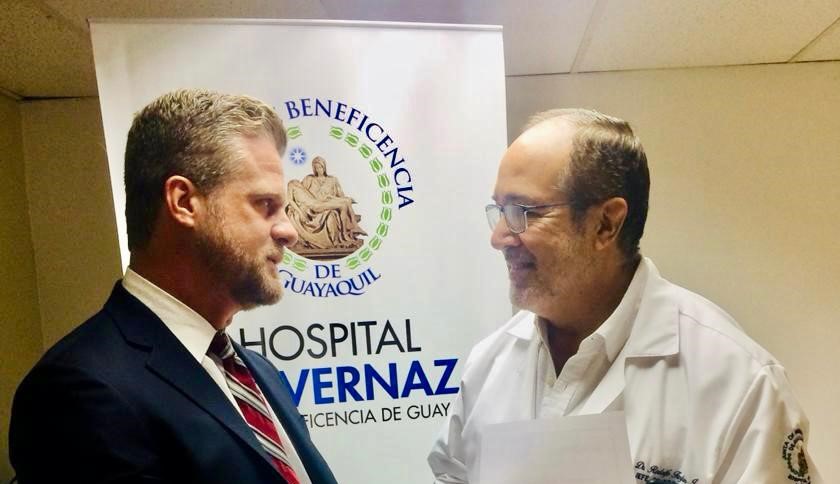
A notable example is the partnership between Messner Vascular Institute and Universidad Espíritu Santo (UESS) in Ecuador. The collaboration provides opportunities for students, residents, and surgeons to participate in specialized programs combining theoretical instruction, simulation, and supervised clinical practice.
This approach reflects an important principle in medicine: experience becomes even more valuable when it can be transferred to the next generation.
Teaching the Next Generation of Vascular Specialists
For medical students and young physicians, exposure to experienced specialists can provide an important bridge between academic knowledge and clinical practice.
Dr. Messner’s educational initiatives have included lectures, workshops, clinical training, and international knowledge exchange. His participation in vascular conferences and academic programs has allowed him to discuss contemporary approaches to PAD and endovascular treatment with healthcare professionals at different stages of
their careers.
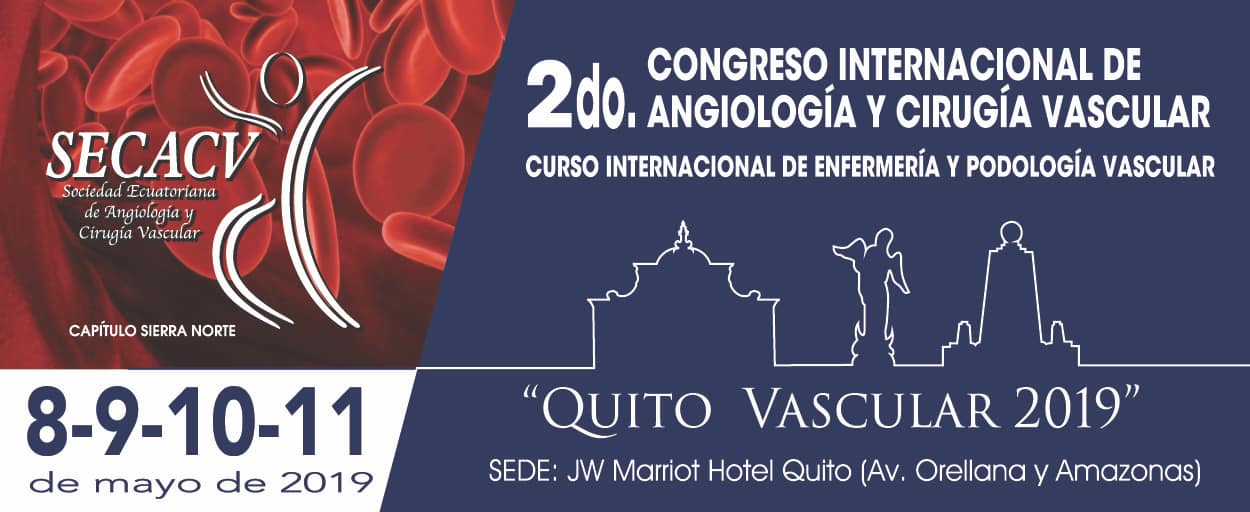
In 2025, for example, he presented a master lecture on Peripheral Arterial Disease at the UESS Clinic–Teaching Hospital in Guayaquil, addressing advanced endovascular concepts including atherectomy.
His academic work demonstrates that his contribution to vascular medicine extends beyond direct patient care. It also involves helping physicians and students develop the knowledge and technical understanding needed to approach increasingly complex vascular cases.
A Continuing Commitment to PAD
Peripheral Arterial Disease remains one of the central areas of Dr. Messner’s practice. His experience includes minimally invasive treatment strategies intended to restore blood flow and address vascular disease while considering the individual needs of each patient.
His professional profile also reflects a long-standing interest in advancing endovascular techniques and sharing those developments through presentations and professional education. In 2023, for instance, he presented on atherectomy updates and the role of office-based laboratories and ambulatory surgical centers in endovascular care.
This combination of clinical experience, minimally invasive treatment, and education has become a defining part of his professional trajectory.
From Experience to Impact
Dr. Gregory Messner’s career represents more than a collection of procedures, conferences, and academic appointments. It reflects a continuous progression from advanced cardiovascular training to specialized vascular practice, with PAD treatment, minimally invasive intervention, limb preservation, and medical education becoming
important components of his work.
Today, his experience includes more than 8,000 interventions, decades of surgical practice, international teaching activities, and ongoing participation in professional and academic programs.
His journey also illustrates the value of passing knowledge forward. By working with students, residents, surgeons, and physicians in training, Dr. Messner contributes not only to the patients he treats directly, but also to the development of future generations of vascular specialists.
From the operating room to the classroom, his trajectory continues to connect clinical experience with education, advancing the understanding and treatment of Peripheral Arterial Disease while helping prepare the next generation of healthcare professionals.